
In the first part we looked at how crustaceans leave one shell when they outgrow it. They break out of their old, tightly restrictive shell to grow a new one. It’s a natural reality but also an apt metaphor for our own changes and transitions, especially those that we embark on because we’ve outgrown our current situation, or leave home for life somewhere new.
Last time we spoke about how to prepare ourselves for the casting off of the old to embrace the new. But today we get to the part that perhaps most resonates with us from this picture of change.
The vulnerable bit.

Some of us love change; we love the freedom of throwing off the old. But whether this is you or not, the picture of the newly emerged, soft-shelled crab, exposed and vulnerable to predators, resonates with us powerfully because even the best changes can leave us feeling open to attack and strangely naked.
This is especially true if the change wasn’t one we wanted or one we were ready for, or if we stepped out only to discover the new job, team or position isn’t what we’d hoped for… Disappointment and culture shock (which can happen in organisations and teams just as much as it does between countries) can make us want to retreat back or find another form of shelter. Anywhere. Anything, other than having to wait here, exposed and tender, while our new shell grows.
And yet, while it demands immense patience and trust, this moment of vulnerability is also a huge opportunity if we can only wait it out intentionally and proactively.
So how can we make the most of the discomfort and grow the best shell we can for the future?
Don’t try to skip the soft shell stage!
As we’ve said, wouldn’t it be easier for a crab to just find a discarded shell from somewhere else instead of waiting for its own to harden?
If crustaceans borrowed a shell, it wouldn’t fit just right.
The moulting process, given time, develops a new bespoke shell that is completely fitted to their new size and shape.
But it does take time and it will involve vulnerability.
“I had shed the shell of my old identity like a lobster, and I was staying close to the rocks because I was still soft and vulnerable. I’d have a new and better-fitting identity in time, but for now I’d have to go a little slowly.”
William Bridges (2019: 120)
It’s important that we give ourselves and our teams grace and generosity to process and come to terms with the changes that are taking place. As we said before, empathy and kindness is key, with others and with ourselves. It’s ok if it takes time to walk through change.
While we’re in this soft phase, let’s make the most of it. Here are two things to feed the process:
4. Eat the old shell!
Reabsorption of the minerals of the old shell accelerates the growth of the new one. So crabs and lobsters eat their old shells.
So too with us (metaphorically speaking)! Good farewells, reflective practices or intentional debriefing all help us to ‘digest’ what went before.
Not only that, though, we want to take all the learning, wisdom and strength we can from the past and build it back into the future; don’t just throw it all away!
- Ask yourself what about the ‘old shell’ was good and worth keeping? What are you glad to be rid of?
We often want to make change black and white; it feels easier to deal with things if we tell ourselves the story that everything was bad before and now everything is good. Of course, reality is more nuanced; even if we are totally moving in the right direction, there is generally always good learning, practices, relationships and growth that we absolutely DO want to bring with us.
5. Re-grow what’s been lost.
Incredibly, crabs that have lost or ‘thrown’ limbs as a self-defence mechanism in the previous cycle can re-grow them in the shedding process.
Transition can be a healing, redemptive time; right here we can dream again about our future and engage curiosity about how to move forward in a healthy, empowered way.
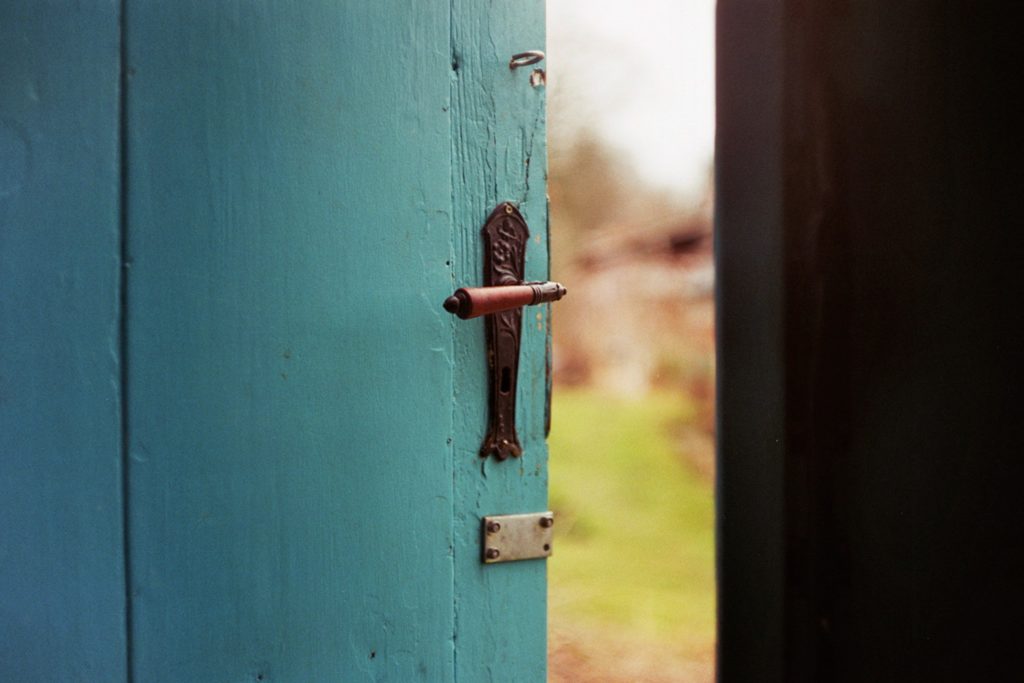
Getting curious is a fun and refreshing part of the process. For example,
- What can be healed and become more healthy now I am out of that old way of being and doing?
- I’ve moved away from my old community. What new opportunities for connection are there where I am now? Who do I get to be here that I couldn’t be there?!
- Actually, in the old place I’d always wanted to be more X, Y or Z… I wonder how I could recreate a life here that encompasses more of who I am and the shape of life I hope for…
Seeing the new shell growth phase as an opportunity to create a more bespoke life can help us reengage with more motivation, even as we trust that all the scattered pieces will come newly together in good time.
So, if you’re feeling crabby in change, now you know why!
Where are you in change today?
What insight has most encouraged you?
Photo thanks to Dmitry Ratushny, Stone Wang and Scott Graham on Unsplash
References:
Bridges, W with Bridges, S (2017: 32) Managing Transitions. 4th edition. Nicholas Brealey Publishing.